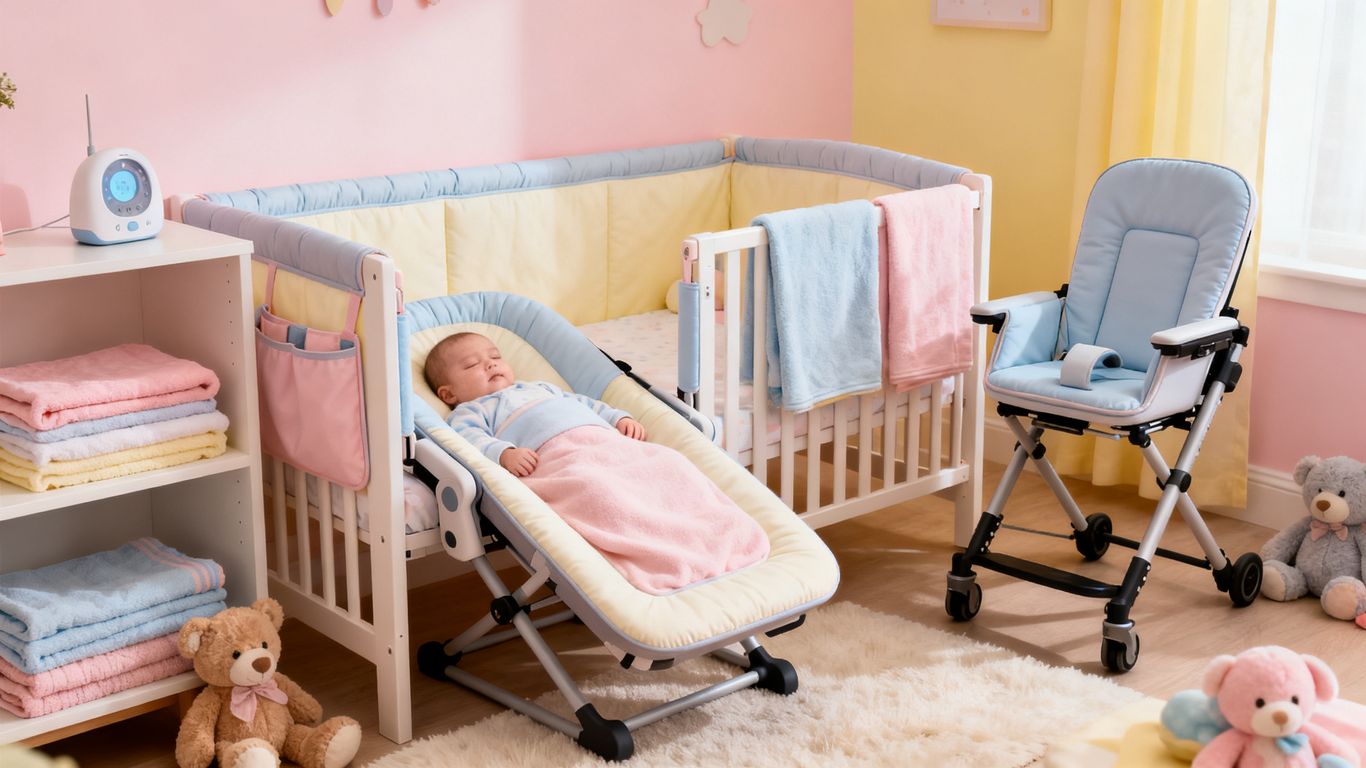
When a baby is born with cerebral palsy, getting around can present unique challenges. Fortunately, there’s a range of equipment designed to help little ones move more freely and build confidence. These tools aren’t just about getting from point A to point B; they’re about opening up possibilities for exploration and participation.
Understanding the Role of Walkers
Walkers can be a big help for babies and toddlers learning to move. Because cerebral palsy can affect balance and coordination, a walker provides that extra bit of support. You’ll find different types, like four-wheeled posture control walkers, which are great for kids who need a bit more stability. They often have features like comfortable handholds and designs that keep the child from getting hurt if they stumble. Some walkers even have a seat, so your child can take a break without needing to sit on the floor. Using a walker can be a stepping stone towards greater independence in movement. For many children, these devices are a key part of their physical therapy, helping them gain strength and control. Adaptive equipment like walkers can make a significant difference.
Exploring Braces and Orthotics
Sometimes, specific parts of the body need extra support to function better. Braces and orthotics, like Ankle-Foot Orthoses (AFOs), are custom-fitted devices that can help manage muscle stiffness or weakness. For instance, an AFO can support a weak leg or help keep a stiff limb in a more comfortable, straight position. They can also help correct foot alignment issues, making walking or standing easier. Getting the right fit is important, and a physical therapist or doctor can guide you on what might be best for your child. These devices are often worn inside shoes and can really help with day-to-day movement.
Wheelchair Considerations for Comfort and Control
For some children, a wheelchair is the most practical way to get around. There are many kinds available, from manual wheelchairs that a child can propel themselves if they have enough arm strength, to electric wheelchairs with joystick controls that are sensitive to even light touches. This means children with limited motor control can still operate them. Some advanced models can even be controlled by voice or other alternative methods. Standing electric wheelchairs are another option, allowing a child to be in an upright position, which can be good for circulation and strength. Choosing the right wheelchair involves thinking about your child’s specific needs, their current abilities, and what will give them the most freedom and comfort. It’s about finding a mobility solution that fits their life. Walkers, canes, and standers are other options to consider alongside wheelchairs.
Supportive Equipment for Daily Routines
Daily routines can present unique challenges for infants with cerebral palsy, but the right equipment can make a significant difference in comfort, safety, and independence. Setting up these items before your baby arrives can help ease the transition and provide a more supportive environment from day one.
Bath and Shower Chairs for Safety
Bathing a baby is a bonding experience, but for a child with cerebral palsy, it might require extra support. Bath chairs and specialized seats can help keep your little one secure and stable in the tub or shower. These chairs often feature:
-
Sturdy frames designed for frequent use.
-
Gentle harnesses or belts for added security.
-
Adjustable components to accommodate growth.
-
Non-slip bases to prevent accidents.
These aids allow parents to focus on cleaning their child without worrying about balance or support, making bath time a more relaxed and safe experience for everyone. Finding the right fit is key, and many options are available to suit different needs.
Adaptive Toilet Chairs for Training
As your child grows, toilet training will become a consideration. Adaptive toilet chairs and seats can provide the necessary support and stability that standard toilets lack. These devices can help children maintain proper posture and feel more secure during the process. Look for features such as:
-
Adjustable height to fit different toilet sizes.
-
Secure seating with armrests for stability.
-
Easy-to-clean materials.
Using these specialized chairs can make toilet training more manageable and less stressful for both the child and the caregivers. It’s about building confidence and independence in a safe manner.
Assistance with Feeding and Swallowing
Feeding can also be an area where adaptive equipment proves helpful. For infants who have difficulty with sucking, swallowing, or maintaining head control during meals, specialized tools can make a difference. This might include:
-
Specialized bottles and nipples designed for easier flow.
-
Adaptive spoons and bowls that are easier to grip or use.
-
Positioning supports to help maintain an upright posture during feeding.
These items can help your baby receive adequate nutrition while minimizing the effort and potential discomfort associated with feeding. Consulting with a feeding therapist or occupational therapist can provide guidance on the most suitable feeding aids for your child’s specific needs.
Creating a Safe and Accessible Home Environment
Modifications for Wheelchair Accessibility
Making your home accessible for a child who uses a wheelchair involves thoughtful adjustments. Widening doorways is a common first step, allowing easier passage between rooms. Ramps are also incredibly helpful, providing a smooth transition over steps both inside and outside the house. These modifications can significantly improve a child’s independence and ability to move around their living space. Consider the turning radius needed for a wheelchair when planning furniture placement to avoid obstacles. For parents looking into home modifications, resources are available to help with the process, potentially covering costs for installations like ramps or bathroom adjustments home safety improvements.
Ensuring Proper Positioning and Support
Beyond physical accessibility, creating a supportive environment means paying attention to how your child is positioned throughout the day. This is important for comfort, preventing pressure sores, and aiding in development. Specialized seating can offer the necessary postural support, helping to keep the body aligned. Think about the different activities your child engages in – resting, playing, eating – and how to provide appropriate support for each. This might involve cushions, wedges, or specialized chairs designed to maintain good posture and prevent fatigue.
Home Safety Assessments and Modifications
A thorough safety assessment of your home is a good idea. This involves looking for potential hazards and making changes to prevent accidents. For instance, securing rugs to prevent slipping, installing grab bars in bathrooms, and ensuring electrical cords are managed safely are all important steps. It’s also wise to consider the specific needs related to your child’s condition, such as ensuring safe sleeping arrangements and managing any medical equipment. These adjustments help create a secure space where your child can thrive making the living environment more accommodating.
Therapeutic and Developmental Tools
Beyond the basics of daily care and mobility, specific tools can play a significant role in a newborn with cerebral palsy’s development and overall well-being. These items are designed to support physical activity, sensory exploration, and communication skills, helping your child reach their potential.
Brachiation Kits for Physical Activity
Brachiation kits, often seen as specialized climbing frames or structures, can be adapted for home use. These kits encourage upper body strength and coordination. By using their arms to move across a bar or ladder, children can build muscle and improve their range of motion. This type of activity is particularly beneficial for developing core strength and promoting a sense of accomplishment. For children with cerebral palsy, adapting these kits might involve ensuring secure grips and appropriate heights to match their abilities. It’s a fun way to get them moving and interacting with their environment.
Sensory Integration Equipment
Sensory integration equipment helps children process and respond to sensory information. This can include items like:
-
Swinging chairs or hammocks: These provide vestibular input, which can be calming or alerting depending on the child’s needs.
-
Textured mats or toys: Offering a variety of tactile experiences can help children explore different sensations.
-
Weighted blankets or vests: These can provide deep pressure, which may help some children feel more grounded and regulated.
These tools are not just for play; they are therapeutic aids that can help a child manage sensory input more effectively, leading to better focus and reduced anxiety. Exploring different sensory tools can be a key part of their developmental journey.
Tools for Speech and Communication Development
Developing communication is a vital part of a child’s growth. For newborns with cerebral palsy, specialized tools can aid in this process. This might involve:
-
Picture Exchange Communication Systems (PECS): These systems use pictures to help children express their needs and wants.
-
Augmentative and Alternative Communication (AAC) devices: These can range from simple sound-making buttons to sophisticated electronic devices that speak words.
-
Interactive books and toys: These can encourage vocalizations and turn-taking, laying the groundwork for more complex communication.
Working with speech therapists can help identify the most appropriate tools for your child’s specific communication challenges. Early intervention services often provide guidance on these resources, helping to build communication skills from an early age.
Essential Caregiving Support Systems
Setting up the right caregiving support before bringing home a newborn with cerebral palsy can really take some pressure off. Many families find that planning early not only helps with daily tasks, but also gives everyone peace of mind, knowing there’s a plan in place when things become tough or unpredictable.
Home Health Aides and Visiting Nurses
Caring for a baby with cerebral palsy sometimes means extra help is needed. Home health aides and visiting nurses are available to assist with everyday routines such as bathing, feeding, giving prescribed medicine, and moving around the house. Doctors or social workers can usually refer families to these services, and help with paperwork or insurance details. These professionals offer:
-
Administering medications at the correct times
-
Bathing and hygiene routines
-
Feeding, including special techniques for children with swallowing issues
-
Monitoring health concerns and reporting changes
-
Support during mealtimes or equipment use
Having skilled help at home lets parents focus more on bonding, and less on handling every small challenge alone.
Respite Care Options for Families
Even the most dedicated caregivers need a chance to rest. Respite care steps in to provide short-term relief for primary caregivers, whether for just a few hours or overnight. The break isn’t just practical—it can be absolutely necessary for preventing caregiver burnout. Some families use in-home respite, while others choose local facilities or day programs. When looking into respite care, consider:
-
The qualifications and experience of caregivers
-
Flexibility of scheduling
-
Options for both in-home and out-of-home care
-
Any special accommodations the child might need
-
Funding and waitlist issues, since spaces may be limited
Many find that asking friends or family for help with everyday tasks, like running errands or babysitting siblings, can lighten the load as well.
Utilizing Early Intervention Services
Early intervention services are an important resource for babies and toddlers with disabilities, including those with cerebral palsy. These programs offer supportive therapies—occupational, physical, and speech—that address movement, feeding, and communication skills. Most states have their own system for early intervention, and families can begin by asking a pediatrician for a referral. The process usually includes:
-
evaluation by specialists
-
writing an Individualized Family Service Plan (IFSP)
-
in-home therapy or visits to a center
-
coordination with childcare or preschool programs later on
Many families also join community groups for shared support. Connecting with other parents through networks like these online and virtual support groups can make a difference during tough stretches, providing a place to swap advice and encouragement.
Getting the right support in place early helps parents remain strong, organized, and positive—making the journey a little lighter for everyone involved.