
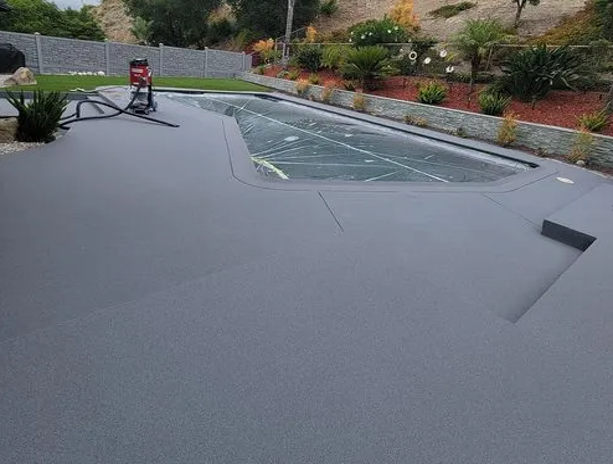
Updating a commercial warehouse workspace means you must figure out heavy equipment placement long before welcoming your regular workers inside. Tons of busy warehouse operators look up protective surface applications because keeping high-traffic zones clean keeps their logistics plants efficient. Investing your building budget into thick, resinous chemicals provides a sturdy, long-lasting base for tracking heavy forklift vehicles daily. You really should inspect concrete dampness levels thoroughly before choosing a fluid material package.
Exploring Rapid Curing Options
Picking a fast-setting polyaspartic flooring blend allows your commercial crew to walk across your renovated building space inside a few hours. This specific dual-component polyurea chemical layout cures exceptionally fast even during freezing cold weather conditions that destroy standard epoxy liquids. Industrial installers spread the thick clear coats using wide squeegees to build up an impact-resistant top barrier instantly. Using this advanced technology cuts down your business downtime numbers so your active factory shifts stay on schedule.
Sourcing the Toughest Mineral Systems
Selecting a commercial-grade quartz flooring layout offers an incredibly tough texture that stands up to heavy chemical spills and rough steel wheel scraping. This application method mixes clean colored aggregate crystals directly into a clear polyurethane base coat to provide maximum slip protection for working staff. The extra sand grain structure creates a rugged, sandpaper-like grip pattern that prevents slipping accidents on wet packaging station walkways. Local distribution managers regularly install these specialized crystal aggregates inside commercial food preparation spaces and large medical wash bays.
Preparing Tough Foundation Bases
Spreading thick resinous mixtures across a greasy concrete base causes quick peeling disasters if your ground layers contain old oil stains. Your floor preparation team must run heavy diamond grinding machines across the whole warehouse floor to open the cement pores completely. Vacuuming up the fine white stone dust ensures the chemical primers bite deeply into the structural slab for years to come. Skipping this loud physical grinding phase always results in big surface bubbles that break apart under heavy-loaded pallet jacks.
Maintaining Clean Shiny Surfaces
Leaving dark oil puddles or letting harsh battery acids sit on your fresh topcoat wears down the beautiful glossy shine prematurely. Your maintenance helpers should run soft microfiber scrubbing pads across the main traffic aisles every week to sweep up loose grit particles. Avoid using incredibly harsh scraping tools or burning chemical thinners that soften the protective clear seal coats during deep cleanings. Keeping your industrial floors tidy preserves the beautiful light reflectivity values while ensuring your expensive equipment rolls smoothly.
Conclusion
Developing an effective commercial concrete protection strategy involves evaluating your traffic patterns, choosing durable chemicals, and checking your climate conditions. Researching the full list of advanced industrial polymer systems on risecoatings.com helps property managers select appropriate surface formulas for their exact workspace environments. Ignoring proper surface preparation steps or using fragile domestic paints always leads to immediate surface peeling and costly business production shutdowns. Industrial technical specialists must test your concrete moisture emissions in person before your team pours any high-performance resin layers on the slab. Reach out to our specialized flooring office today to review your project scope and secure your comprehensive mechanical coating installation package.


