
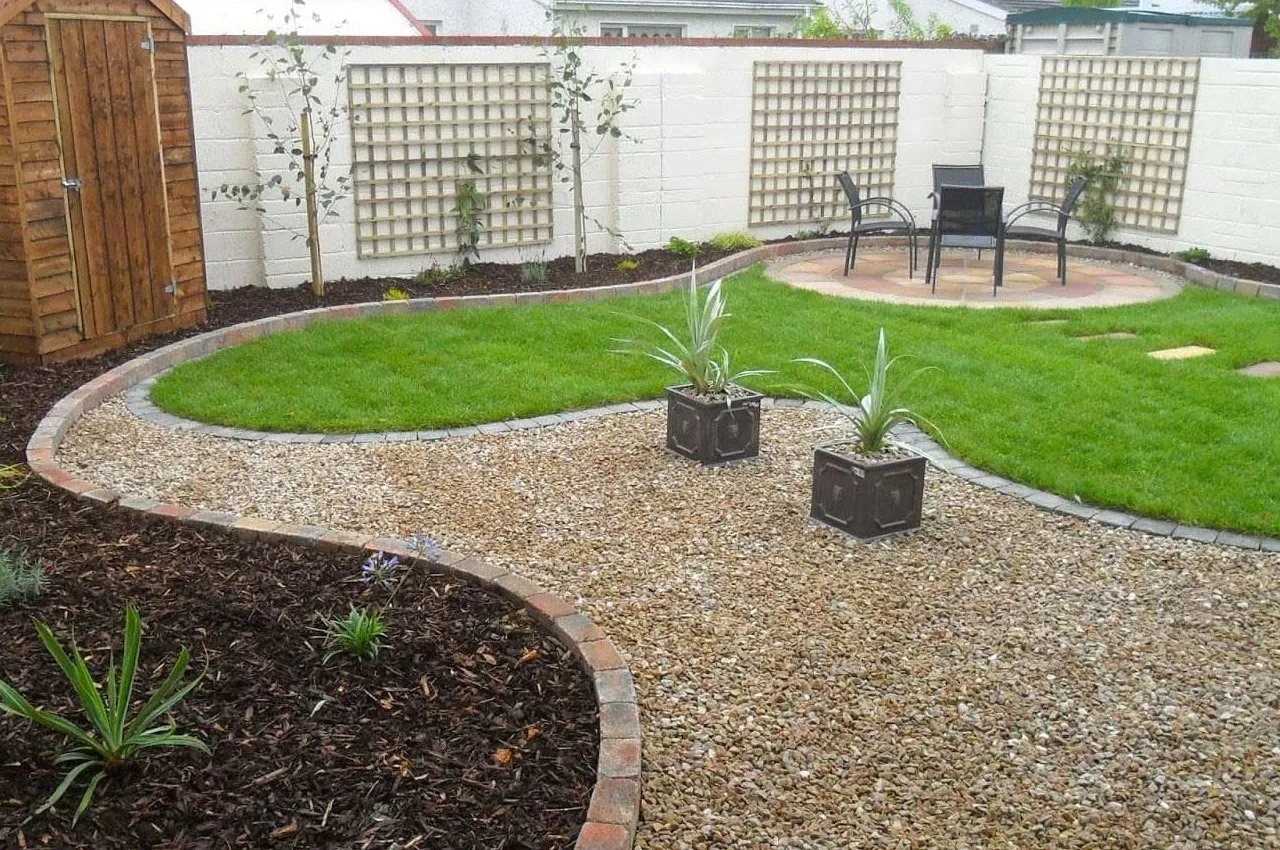
A garden transformation should do more than improve how an outdoor space looks. The best results come from understanding how the garden will actually be used and then shaping the layout around those needs. Seating, lawns, planting, boundaries and pathways all need to work together rather than feeling like separate additions.
Before starting major changes, homeowners should consider what currently works and what causes frustration. A garden may lack privacy, have awkward access, contain too much lawn to maintain, or simply fail to provide a comfortable place to sit. Identifying these issues early creates a much stronger foundation for the project.
Begin With the Way You Use the Garden
Every household uses outdoor space differently. Families may want an open lawn, keen gardeners may prefer generous planting areas, while others may prioritize a patio for dining and entertaining.
Working with Gold Leaf Trees & Landscaping Service can help bring these different requirements into one coordinated plan. Instead of adding features wherever space is available, the garden can be arranged so that movement, maintenance and everyday use feel more natural.
Give Each Area a Clear Purpose
Dividing a garden into practical zones can make even a relatively modest space feel more organized. A patio may become the main seating area, while a lawn provides an open section and planting beds soften the boundaries.
These areas should still feel connected. Repeating paving materials, edging styles or planting choices can create visual consistency and prevent the garden from looking fragmented.
Make Paths Part of the Design
Paths are functional, but they also influence how people experience a garden. A poorly positioned route can force people across lawns or planting areas, particularly during wet weather.
Paths should connect the places people regularly use, such as the house, gate, shed, patio or other seating areas. Choosing materials that complement nearby paving or property features can also help the finished garden feel more considered.
Choose Planting With Future Growth in Mind
Plants can transform the atmosphere of an outdoor space by adding colour, height, texture and movement. However, selecting plants only for their immediate appearance can cause problems later.
Shrubs and trees need sufficient room to reach a suitable size without blocking paths or overwhelming smaller beds. Considering mature growth, sunlight, and maintenance needs from the beginning can reduce unnecessary pruning and replacement in future years.
Use Boundaries to Improve Privacy
Fences and hedges are often essential parts of residential gardens. As well as marking property boundaries, they can provide privacy and create a backdrop for planting.
A new fence can give the garden a cleaner appearance, while established hedges provide a softer, greener boundary. In some gardens, combining both approaches can offer privacy without making the outdoor space feel too enclosed.
Think About the Right Amount of Lawn
Lawns remain popular because they provide open space and help create a softer garden appearance. However, a lawn should suit the lifestyle of the household rather than simply occupy most of the available ground.
Reducing an oversized lawn can create room for patios, beds or more practical access. Alternatively, improving levels and replacing worn turf may be enough to make an existing lawn more usable and easier to maintain.
Plan Hard Landscaping Carefully
Patios and paved areas need proper preparation if they are expected to remain attractive and stable. The size and position of a patio should also reflect how it will be used.
Enough room should be allowed for furniture and comfortable movement. At the same time, hard landscaping should remain balanced with softer garden features so that the outdoor space does not become dominated by paving.
Keep Future Maintenance Realistic
A beautiful garden can quickly become frustrating if it requires more upkeep than the homeowner can provide. Maintenance should therefore influence decisions about planting, lawn size, hedges and surface materials.
Simple layouts, well-defined beds and accessible areas can make routine tasks much easier. A garden designed around realistic maintenance requirements is also more likely to retain its appearance over the long term.
Conclusion
A successful garden transformation begins with practical planning rather than individual features. Understanding how people move through the space, where they relax and how much maintenance they want to manage helps shape better decisions.
By coordinating patios, paths, lawns, planting and boundaries from the outset with support from Gold Leaf Landscaping, homeowners can create an outdoor area that feels balanced and purposeful. The result is a garden designed not only to look attractive when completed, but also to remain useful and enjoyable as it matures.

