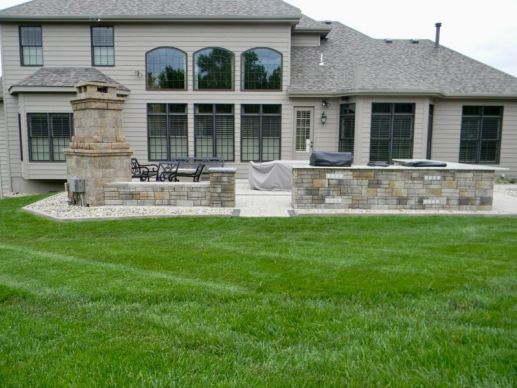
Hardscaping can completely transform an outdoor space. A well-designed patio, retaining wall, walkway, driveway, or outdoor living area can make a property more functional while adding visual appeal and long-term value. However, successful hardscaping is about more than choosing attractive pavers or natural stone. Local soil and weather conditions play a major role in determining how well an installation performs over time.
In St. Louis, homeowners have to consider everything from changing soil conditions to heavy rainfall, freezing temperatures, summer heat, and seasonal moisture. Understanding these local factors helps explain why professional planning and installation matter. A knowledgeable Hardscape Company St. Louis homeowners can rely on will account for site conditions before construction begins.
Whether you are planning a new patio, walkway, retaining wall, or another outdoor feature, understanding Hardscaping St. Louis conditions can help you make better decisions from the beginning.
Understanding St. Louis Soil Conditions
Soil is the foundation beneath almost every hardscape project. If the ground underneath a patio or walkway is unstable, even high-quality materials can eventually shift, settle, or crack.
St. Louis properties can have different soil compositions depending on their location, previous land use, grading, and surrounding landscape. Clay-heavy soils are particularly important to consider because they can hold significant amounts of water and expand or contract as moisture levels change.
This movement can affect hardscape surfaces. When soil expands after absorbing water and later contracts during drier conditions, the base beneath a hardscape may become uneven. Without proper preparation, pavers can move, joints can open, and surfaces may develop low spots.
A professional contractor evaluates the soil before deciding how much excavation, compacted aggregate, drainage work, and stabilization the project requires.
Why Drainage Matters in Hardscaping
Rainfall is one of the most important environmental considerations for St. Louis hardscaping. Water needs somewhere to go. If it becomes trapped beneath or around a hardscape installation, it can create several problems.
Poor drainage may contribute to:
· Soil erosion and settlement
· Standing water on patios and walkways
· Movement of pavers
· Pressure against retaining walls
· Freeze-thaw damage during colder weather
Good hardscape design directs water away from structures and allows the ground to handle moisture appropriately. This may involve carefully planned slopes, drainage channels, permeable materials, or properly constructed base layers.
The goal is not simply to keep water off the hardscape. It is to control where water travels so that it does not undermine the installation.
How Freeze-Thaw Cycles Affect Hardscapes
St. Louis experiences cold winters, which mean freezing temperatures can become a major consideration during construction. Water expands when it freezes. If moisture becomes trapped in small spaces beneath or between hardscape materials, repeated freezing and thawing can place stress on the installation.
This is especially relevant when the base has not been prepared correctly.
A strong installation typically starts with appropriate excavation and a properly compacted aggregate base. The exact depth and construction method depend on the project, soil conditions, material, drainage requirements, and expected loads.
Professional preparation reduces the risk of movement caused by seasonal ground changes. It also helps the finished surface remain more stable as temperatures move between freezing and thawing conditions.
Summer Heat and Material Performance
Winter is not the only season that affects hardscaping. St. Louis summers can bring high temperatures and intense sunlight, which can influence how outdoor surfaces look and feel.
Different materials absorb and retain heat differently. Darker surfaces, for example, can become noticeably warmer under direct sunlight. This is worth considering when designing patios, pool areas, outdoor kitchens, or spaces where people will frequently walk barefoot.
Material selection should also account for durability and maintenance. A professional Hardscape Company St. Louis property owners choose should be able to explain how different materials are expected to perform under local seasonal conditions.
The best material is not necessarily the most expensive option. It is the material that fits the property’s design, usage, maintenance expectations, and environmental conditions.
Soil Preparation Is More Important Than It Looks
Homeowners often focus heavily on the visible portion of a hardscape project. They may spend considerable time choosing colors, patterns, textures, and materials while giving less thought to what sits underneath.
However, much of a hardscape’s long-term performance depends on the hidden foundation.
Before installation, contractors may need to remove unsuitable soil, establish the correct grade, install a compacted base, and address drainage concerns. Each layer serves a purpose.
For example, the base provides structural support, while proper compaction helps reduce future settlement. The surface material then sits on top of this prepared foundation.
Skipping or rushing these steps can create problems that are difficult and expensive to correct later.
Retaining Walls Require Special Attention
Retaining walls are particularly sensitive to soil and water conditions because they are designed to hold back soil. The pressure behind a wall can increase significantly when the soil becomes saturated.
For this reason, retaining wall construction involves more than stacking attractive blocks or stones. Proper drainage, a suitable foundation, appropriate backfill, and correct construction techniques all contribute to stability.
The height and location of the wall also matter. A retaining wall supporting a small garden bed has different requirements from one holding back a substantial slope.
Local site conditions should therefore be evaluated before construction begins rather than relying on a one-size-fits-all approach.
Choosing Materials for St. Louis Conditions
Hardscape materials should complement the property, but appearance is only one consideration. Durability, maintenance, installation method, and exposure to local weather should also influence the decision.
Common options include concrete pavers, natural stone, brick, and other manufactured materials. Each has different characteristics.
When choosing materials, consider:
· How frequently the area will be used
· Whether vehicles will travel over the surface
· Exposure to moisture and sunlight
· Expected maintenance
· Compatibility with the home’s existing design
A professional contractor can help homeowners compare these factors instead of selecting a material based solely on appearance.
Proper Grading Helps Protect the Finished Project
Grading is another important part of Hardscaping St. Louis projects. Even a beautifully installed patio can develop drainage problems if its surface does not direct water appropriately.
Before construction, the site should be evaluated to understand how water naturally moves across the property. The finished hardscape can then be designed to work with the existing landscape rather than against it.
Good grading can help prevent water from collecting next to the house, pooling on walkways, or flowing toward areas where erosion could occur.
This is particularly important in larger projects where patios, retaining walls, steps, planting beds, and drainage systems need to work together.
Why Local Experience Makes a Difference
Every region has its own construction challenges. A contractor familiar with St. Louis properties is more likely to understand the seasonal conditions that can affect local outdoor projects.
Local experience can help with decisions involving soil preparation, drainage, material selection, grading, and winter protection. It also helps contractors recognize potential site issues before they become expensive problems.
When researching a Hardscape Company St. Louis, homeowners should look beyond photographs of completed projects. It is also useful to ask about preparation methods, drainage planning, base construction, material recommendations, and how the contractor approaches challenging soil conditions.
Planning for Long-Term Performance
A successful hardscape should look good when it is first completed, but its real value becomes apparent years later. Proper planning can reduce maintenance and help the installation withstand seasonal changes.
Homeowners should think about how the space will actually be used. A family patio may need to accommodate furniture, gatherings, grills, and frequent foot traffic. A driveway requires materials and base preparation capable of handling vehicles. A garden walkway may have different structural requirements but still needs effective drainage.
Designing around real-life use makes the project more practical as well as attractive.
Final Thoughts
St. Louis weather and soil conditions can have a significant impact on the performance of an outdoor hardscape. Clay-heavy or variable soils, heavy rain, seasonal moisture, freezing temperatures, and summer heat all need to be considered during planning and construction.
The visible materials may be what homeowners notice first, but the foundation, drainage, grading, and preparation underneath are just as important. By working with professionals experienced in Hardscaping St. Louis, property owners can develop outdoor spaces designed with local conditions in mind.
A thoughtful approach from the beginning can help patios, walkways, retaining walls, driveways, and other hardscape features remain functional, attractive, and stable through changing seasons. Good hardscaping is not simply about building something beautiful—it is about building it correctly for the environment in which it will live.