

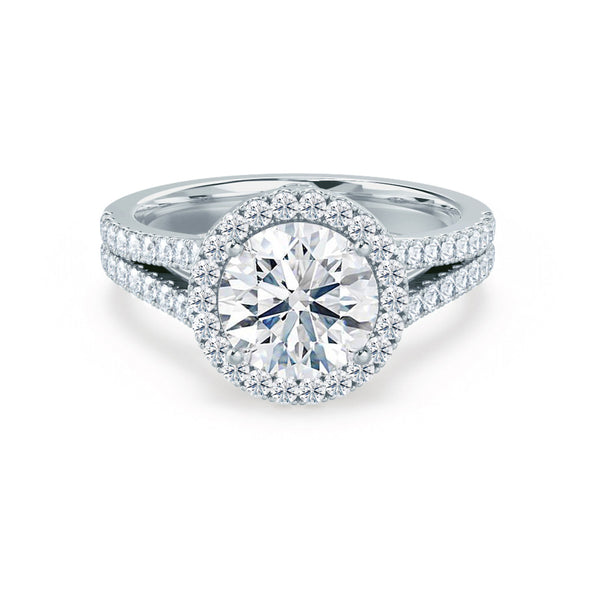
In today’s fast-paced, visually-driven world, consumers are constantly exposed to a vast array of choices. From fashion to technology, the design of a product often plays a pivotal role in a consumer’s decision-making process. Among the many design trends that have emerged in recent years, expressive designs have become particularly prominent. This design style allows brands and products to stand out, communicate deeper meanings, and create emotional connections with their audiences. One such example of a brand embracing expressive design is lily arkwright, a luxury jewelry brand that uses bold, creative design elements to capture the attention of discerning customers. This approach of combining artistry with product design has proven to resonate with today’s consumers, and it’s a trend that shows no signs of slowing down.
Expressive design refers to design elements that go beyond just aesthetics to convey emotion, personality, and even a story. These designs are often characterized by their bold use of color, form, texture, and unusual or artistic shapes that reflect the values, experiences, or aspirations of the target audience. Consumers today crave authenticity, individuality, and meaning in the products they choose. They are no longer just looking for something functional or visually appealing but something that tells a story and aligns with their own identity. This desire for products that are not only useful but also emotionally resonant is why expressive designs have gained so much traction.
One of the key reasons expressive designs resonate with today’s consumers is because they foster a sense of connection. In an age where personal expression and individuality are highly valued, consumers want products that reflect their unique tastes and personalities. Expressive designs allow brands to tap into these desires by offering something more than just the typical mass-produced item. Whether it’s a piece of art, a unique pattern, or an unconventional design, expressive products create an emotional bond that mass-produced, generic items cannot achieve. Consumers feel seen, heard, and understood when they invest in products that reflect their personal style and values.
Moreover, expressive designs often have a storytelling element. In a world where storytelling is an essential part of marketing, designs that tell a story create a deeper layer of engagement with the consumer. A well-designed product can transport consumers to another time, place, or experience, invoking a sense of nostalgia, adventure, or even empowerment. The stories embedded in expressive designs allow consumers to feel connected not just to the product itself but to the narrative surrounding it. This emotional engagement encourages brand loyalty, as consumers are more likely to return to a brand that consistently delivers meaningful, expressive designs.
Another reason for the popularity of expressive designs is their ability to stand out in a crowded marketplace. In a world where consumers are constantly bombarded with advertisements, social media content, and marketing messages, standing out is more important than ever. Expressive designs help brands cut through the noise and capture attention. Whether it’s a fashion brand showcasing bold and creative garments or a tech company offering products with futuristic, artistic elements, expressive designs act as a visual cue that signals something unique and exciting. By prioritizing creativity and originality, these designs offer consumers a refreshing alternative to the ordinary.
Additionally, with the rise of social media, the desire for shareable, visually striking products has grown exponentially. Consumers are increasingly looking for products that they can show off online, whether it’s through Instagram posts, TikTok videos, or other social media platforms. Expressive designs are highly Instagrammable because they tend to be visually striking, one-of-a-kind, or thought-provoking. When consumers share these items on their social media accounts, they feel as though they are part of a larger cultural conversation, one where individuality and self-expression are celebrated.
Expressive design also aligns well with the growing trend toward sustainability and ethical consumerism. Many consumers today are not only concerned with the aesthetics of a product but also with the values that a brand represents. Expressive designs often reflect a deeper commitment to craftsmanship, sustainability, and ethical production methods. For instance, a designer who creates a limited-edition collection using recycled materials or works with artisans in local communities is telling a story through the design that resonates with today’s conscious consumer. This type of design appeals to individuals who want their purchasing choices to reflect their values and contribute to positive change in the world.
In conclusion, the reason why expressive designs resonate so strongly with today’s consumers lies in their ability to connect on an emotional level. Consumers are looking for more than just products; they want meaningful experiences and items that reflect their personal stories, values, and aspirations. Expressive designs offer a way for brands to differentiate themselves, create deeper connections with their audiences, and provide products that go beyond the surface level. Whether through storytelling, individuality, or social media shareability, expressive designs have become an essential part of the consumer landscape and will continue to be a key factor in shaping the future of product design.