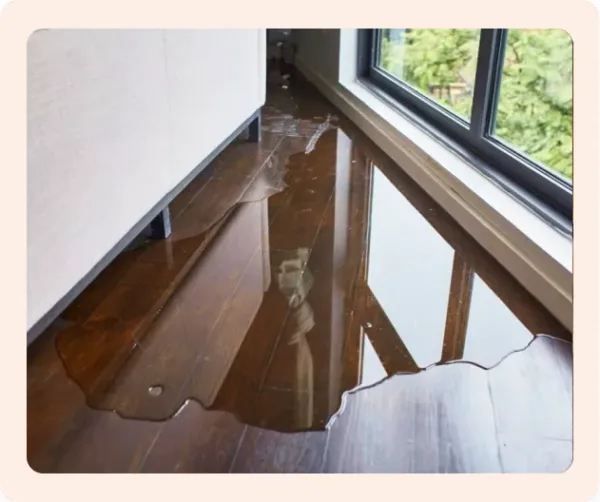
If you talk to homeowners who’ve replaced timber decking in the last few years, a pattern quickly emerges. Most of them don’t regret the look of timber — they regret the upkeep. Constant oiling, boards lifting, splinters, fading, and moisture damage all take their toll. That frustration is one of the main reasons composite decking has quietly become the preferred alternative across Australia.
For people searching for composite decking in Melbourne, the appeal usually starts with low maintenance, but it doesn’t end there. Composite decking is about long-term reliability, predictable performance, and knowing your outdoor space won’t become another ongoing project.
What Composite Decking Really Is (Without the Sales Talk)
At its core, composite decking is made from a blend of recycled wood fibres and plastic. That combination is intentional. The wood content gives it a more natural appearance underfoot, while the plastic component provides resistance to moisture, insects, and decay.
Unlike traditional timber, composite boards are manufactured to be consistent. They don’t rely on the natural grain of a tree, which means fewer surprises after installation. That consistency matters in climates like Melbourne’s, where weather conditions can shift quickly from hot and dry to damp and cool.
Installation: Where Long-Term Performance Begins
Most decking issues don’t come from the boards themselves — they come from poor installation. Composite decking is no exception.
A solid subframe is essential. Whether it’s timber or steel, spacing and ventilation must follow manufacturer guidelines. Composite decking doesn’t absorb water like timber, but airflow still plays a major role in keeping everything stable over time.
Another key difference is fixing systems. Most composite decking products use concealed fasteners, which creates a cleaner finish and avoids exposed screws. These systems also allow for controlled movement as temperatures change, reducing the risk of warping or stress cracking.
This is where working with experienced decking suppliers in Melbourne becomes important. Good suppliers don’t just sell boards — they provide spacing advice, fixing systems, and practical installation guidance that protects your investment.
How It Actually Looks Once It’s Installed
One misconception about composite decking is that it looks “plastic.” That may have been true years ago, but modern boards are far more refined.
Today’s composite decking comes in a wide range of colours and textures, many with realistic grain patterns and matte finishes. From warm timber tones to modern greys, there’s enough variety to suit both traditional homes and contemporary builds.
Once installed, most people struggle to tell the difference at a glance — until they realise the boards haven’t faded, splintered, or cupped after a few seasons.
Longevity: Why People Choose Composite in the First Place
The real value of composite decking becomes obvious over time.
High-quality composite boards are designed to last decades, not years. They don’t rot, they aren’t attractive to termites, and they handle moisture far better than natural timber. This makes them especially popular around pools, coastal areas, and shaded backyards where timber often struggles.
Colour stability is another major advantage. While all outdoor materials change slightly over time, composite decking is engineered to fade evenly and slowly. There’s no patchiness, no sudden discolouration, and no need to recoat every summer.
Choosing established composite decking suppliers matters here. Quality control, proper capping layers, and reliable warranties make a noticeable difference over the life of the deck.
Maintenance: The Part Homeowners Appreciate Most
Ask any composite deck owner what they like most, and maintenance is usually the first answer.
There’s no sanding, no staining, and no sealing. Basic care involves sweeping leaves away and occasionally washing the surface with water and mild detergent. That’s it.
For families, landlords, and commercial properties, this low-maintenance aspect alone often justifies the initial investment.
Sustainability Without the Greenwashing
Composite decking isn’t just convenient — it’s also a more sustainable option when done properly.
Most composite boards are made using recycled materials, reducing landfill waste and lowering demand for virgin timber. While sustainability shouldn’t be treated as a marketing buzzword, it’s a genuine benefit for homeowners who want durable materials without unnecessary environmental impact.
Many reputable composite decking suppliers now prioritise responsible sourcing and long-life products rather than disposable building materials.
 Is Composite Decking Worth the Cost?
Upfront, composite decking can cost more than basic timber. Over time, it usually costs less.
When you factor in reduced maintenance, fewer repairs, and a longer lifespan, composite decking often ends up being the more economical choice. It also adds a level of predictability — you know what it will look like years down the track, which isn’t always true with timber.
Final Thoughts
Composite decking isn’t a trend — it’s a practical response to the realities of outdoor living. From installation through to decades of use, it offers consistency, durability, and freedom from constant upkeep.
If you’re researching composite decking in Melbourne, working with trusted suppliers makes all the difference. For those looking for proven products and local expertise, Tuff Deck is a solid starting point among reliable decking suppliers offering long-lasting decking solutions designed for Australian conditions.