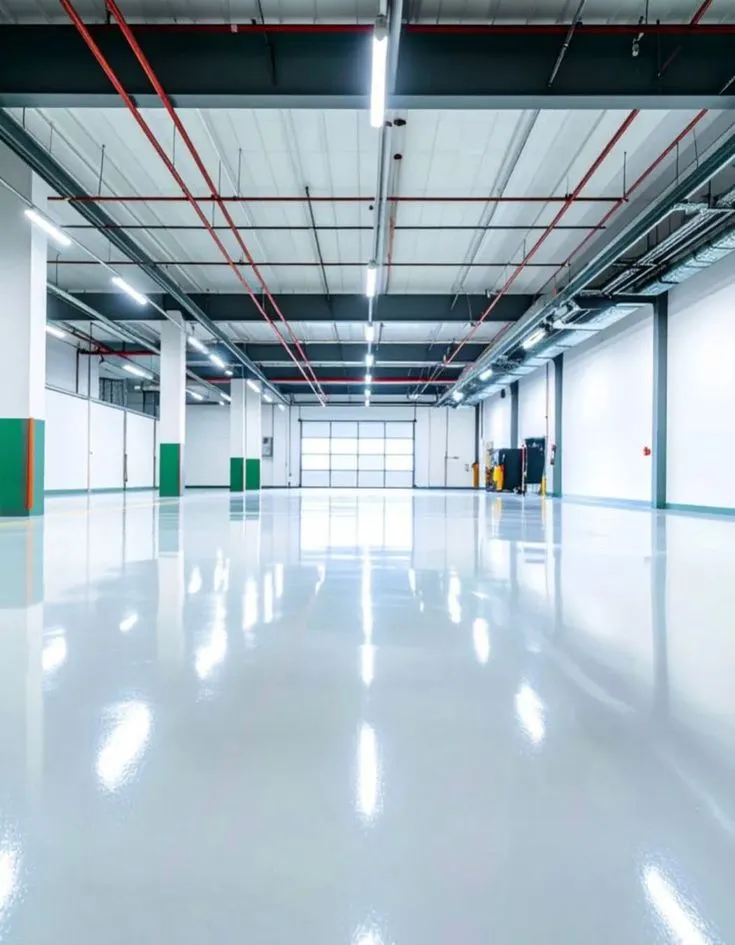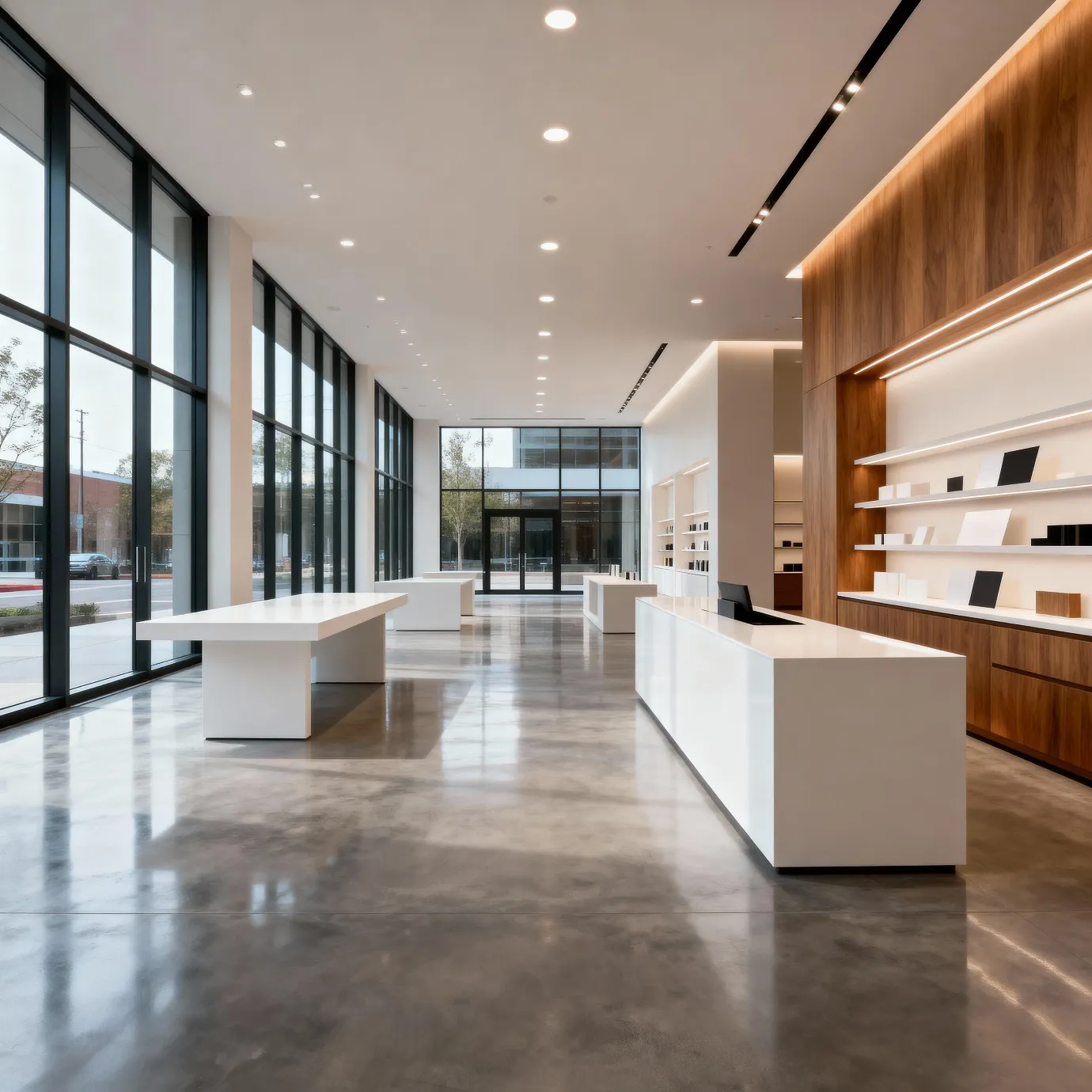
Commercial property renovations require flooring decisions that reflect everyday activities rather than appearance alone. A busy retail space, office corridor and light industrial unit can experience very different patterns of wear. Selecting commercial epoxy flooring may provide suitable protection for certain concrete surfaces, but not every building requires the same system. Property managers should consider traffic, cleaning procedures, moisture conditions and expected service life before approving installation. Understanding these factors helps businesses compare flooring options and establish maintenance plans that reflect actual operational demands.
Begin With the Building’s Intended Use
The activities taking place within a property determine which flooring characteristics are most important. Retail environments may prioritize appearance, while workshops need resistance to equipment movement and routine spills. Corridors experience repeated pedestrian traffic, and storage areas can support concentrated loads. Facility managers should identify these conditions before discussing materials. A coating that performs well in one environment may be inappropriate elsewhere. Understanding usage also helps establish cleaning requirements and safety considerations. Defining operational priorities creates a more meaningful basis for comparing complete flooring systems.
Review Existing Concrete Before Installation
The condition of the substrate strongly influences flooring performance. Cracks, contaminants, weak surface layers and moisture problems can interfere with coating adhesion or the finish of a polished slab. Contractors should assess these conditions before proposing installation methods. Mechanical grinding, appropriate repairs or additional moisture-control measures may be needed. Structural movement cannot be corrected simply by applying a decorative surface. A detailed inspection helps distinguish manageable preparation work from problems requiring further investigation. This reduces the likelihood of unexpected costs or premature flooring failure after the renovation.
Compare Coatings With Mechanical Finishing
Not every concrete improvement requires a resin coating. Businesses considering polished concrete can explore a process that mechanically refines the existing slab to create a durable finished surface. Its suitability depends on concrete quality, desired appearance and operating requirements. Resin coatings provide different decorative and protective characteristics and may offer advantages under certain exposures. Neither approach is universally superior. Property owners should compare appearance, traction, chemical resistance and maintenance expectations. Understanding these differences helps select the method best aligned with the facility.
Evaluate Cleaning and Hygiene Requirements
Commercial cleaning needs vary according to building occupancy and activities. A retail showroom may require routine dust removal and occasional wet cleaning, while a workshop might encounter oils or concentrated detergents. The chosen flooring material should tolerate relevant cleaning practices without unnecessary deterioration. Surface texture also affects how easily dirt can be removed. Property managers should review manufacturer guidance when selecting maintenance products. A finish that appears simple to clean may still require special care. Understanding these details before installation supports more realistic long-term operating budgets.
Consider Slip Resistance and Surface Texture
Floor safety depends on expected moisture, contaminants, footwear and pedestrian movement. Smooth finishes can become slippery in certain conditions, while heavily textured surfaces may be more difficult to clean. Contractors should evaluate suitable traction requirements for each area rather than selecting one texture throughout an entire property. Entrances and washdown zones may need different treatment from dry interior spaces. Applicable safety requirements should inform the specification. A properly selected finish supports practical movement and maintenance without assuming that any coating can eliminate all slipping hazards.
Coordinate Installation With Building Occupancy
Flooring renovations can restrict access and disrupt normal business activities. Surface preparation equipment may create noise and dust, while fresh coatings require suitable curing conditions. Property managers should discuss whether work can be completed in phases and how temporary access routes will operate. Furniture, equipment and stored materials may need relocation before installation begins. Scheduling should account for manufacturer requirements rather than optimistic reopening assumptions. Clear communication between building managers and contractors helps maintain safe conditions. Thoughtful coordination also reduces disruption for employees, visitors and neighboring businesses.
Conclusion
Commercial flooring investments should respond to the building’s actual demands and the condition of its existing concrete. Reviewing protective coatings, mechanical finishing methods and maintenance requirements helps property owners make informed choices. Businesses across Los Angeles can explore professional concrete flooring solutions through risecoatings.com, which offers a range of commercial surface treatments. Requesting an on-site assessment before selecting a system can clarify suitability, preparation needs and project scheduling. This approach supports more dependable installations while helping facility managers plan for future upkeep and operational costs.