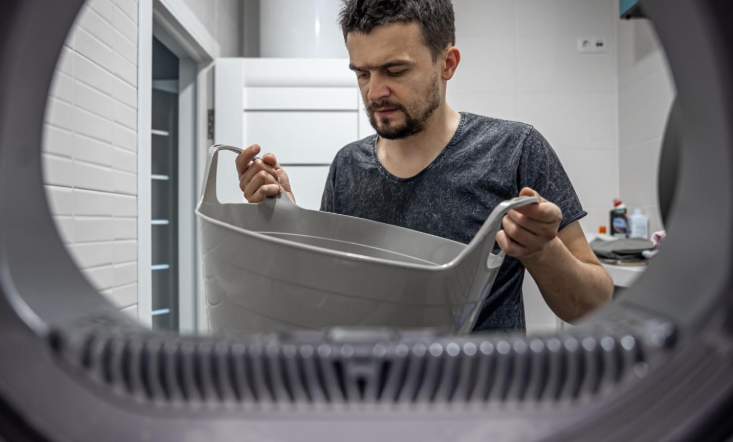
A dryer is one of the most convenient appliances in the home, but it can become a serious safety risk when it overheats. Excessive heat may damage clothing, increase energy consumption, shorten the appliance’s lifespan, and in some cases create a fire hazard. Fortunately, regular maintenance and proper use can greatly reduce the risk.
Clean the Lint Filter After Every Load
Lint buildup is one of the most common causes of dryer overheating. When the filter becomes blocked, hot air cannot circulate properly through the machine. This forces the dryer to work harder and causes heat to build up inside the drum.
Remove the lint screen after every drying cycle and clean it thoroughly. It is also helpful to wash the filter occasionally with warm water and mild soap, as fabric softener residue can create an invisible layer that restricts airflow.
Inspect and Clean the Dryer Vent
The vent carries hot, moist air from the dryer to the outside of the home. Over time, lint and debris can collect inside the vent hose and exterior opening. A clogged vent reduces airflow and increases drying time, energy use, and internal temperature.
Inspect the vent regularly for bends, crushing, or heavy lint buildup. A professional vent cleaning is recommended at least once a year, especially if the dryer is used frequently. Clothes taking longer than usual to dry can be an early warning sign of restricted airflow.
Avoid Overloading the Drum
Putting too many clothes into the dryer prevents them from moving freely. This limits air circulation and makes the motor and heating system work harder than necessary. Heavy loads may also stay damp, encouraging users to run additional cycles.
Leave enough space for clothes to tumble properly. Large items such as blankets, comforters, and towels should be dried in smaller loads when possible.
Pay Attention to Warning Signs
Stop using the dryer if it becomes unusually hot, produces a burning smell, makes strange noises, or shuts off during a cycle. These symptoms may indicate a faulty thermostat, heating element, motor, or ventilation problem.
Avoid attempting complicated electrical repairs without the proper training. Scheduling professional dryer repair can help identify the exact cause of overheating and prevent further damage.
Keep the Area Around the Dryer Clear
Do not store boxes, cleaning products, clothing, or other flammable materials near the appliance. Keep the floor clean and make sure the dryer has enough space for ventilation.
By cleaning the lint filter, maintaining the vent, avoiding overloaded cycles, and responding quickly to warning signs, homeowners can keep their dryer operating safely and efficiently for years.