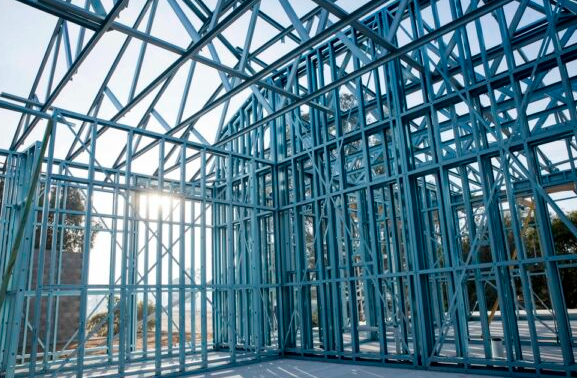
Building materials have changed a lot over time, and steel is now used more often than before. People choose it for strength, but also for consistency across different projects. Residential steel frames are becoming common in houses where durability matters long-term. At the same time, Commercial Steel frames are already widely used in larger structures. Both serve different needs, yet they share some similar advantages.
Why builders are moving away from traditional timber options lately
Timber has been used for years, but it reacts to moisture, pests, and temperature changes. Steel does not behave in the same way under those conditions. That is one reason Residential steel frames are getting attention in modern housing projects. They stay straight and do not warp easily over time. Builders often prefer materials that reduce future maintenance concerns for homeowners.
Load handling works differently in steel-based structures
Steel frames distribute weight more evenly across the structure when designed properly. This becomes more noticeable in larger buildings where loads are heavier. Commercial Steel frames are developed to meet these requirements without undue strain. Engineers plan the layout carefully so that weight moves through the structure efficiently. This minimises the likelihood of uneven pressure that can affect stability in the future.
Precision during construction changes the outcome a lot
The metallic components are usually prefabricated and transported to the site of the construction. This aids in keeping the measurements the same throughout the building process. This accuracy can be used with Residential steel frames, which can be more accurately positioned during the installation phases. It helps to do away with the guesswork in comparison with cutting materials on the spot manually. Although the dimensions are consistent, everything fits together better.
Weather resistance plays a role in long-term performance
Exposure to moisture and changing temperatures affects most building materials differently. Steel, when well-treated, is resistant to most of these effects as compared to untreated materials. That is why Commercial Steel frames are often used in projects where long-term exposure is expected. Coatings that are resistant to corrosion are also used to enhance resistance to corrosion in the long run.
Cost considerations are not always as simple as they look
Primarily, steel costs may seem more expensive than some conventional materials. But those costs can be mitigated by factors like maintenance and durability in the long run. Residential steel frames are viewed by many as a viable choice by builders in terms of long-term value. Fewer repairs and replacements can reduce ongoing expenses in certain situations.
Flexibility in design helps meet different project requirements
With steel, open spaces can be created with fewer internal supports. This can be applied in residential and commercial areas where layout is a factor. In warehouses or office spaces, Commercial Steel frames are usually applied in large open spaces. The same concept can apply to residential designs that aim for open floor plans.
Conclusion
Steel framing has become a practical choice across different types of construction projects today. On theconceptgroup.com.au, you can explore how these materials are used in both residential and commercial environments with a clear understanding. Which one is better between Residential steel frames and Commercial Steel frames is a choice that will be determined by the size of the project, design requirements, and long-term expectations. Each of the two alternatives has its benefits appropriately applied to the appropriate context. When planning a project, it is always better to consult with some experienced professionals to consider your needs and choose the most appropriate framing solution.