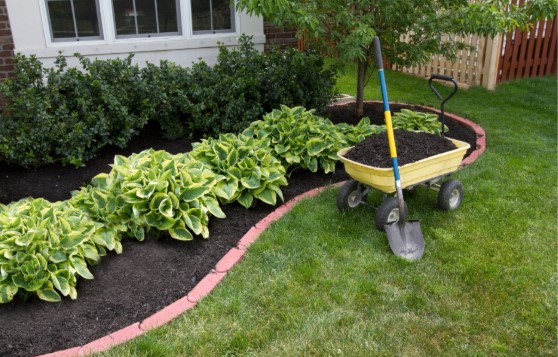
Most Gold Coast gardeners think they understand mulch. They scatter some bark around their plants and call it done. But there’s a massive gap between dumping mulch and actually using it properly. The subtropical climate here changes everything about how garden mulch in Gold Coast properties performs, and following advice from cooler regions will leave you disappointed.
Moisture Retention
The thin layer most people apply looks adequate at first. Then the reality of coastal heat sets in. Surface moisture vanishes by mid-morning whilst the bottom stays damp, creating perfect conditions for fungal issues. You need depth, more than feels natural when you’re spreading it. Pull the mulch back from plant stems though. That small gap matters because air needs to circulate even while the thicker layer holds water where roots can reach it.
Temperature Control
Soil temperature here swings wildly between dawn and afternoon. This constant shifting stresses roots in ways that gardeners elsewhere never experience. Light mulches reflect heat but disappear faster. Dark varieties absorb warmth yet stabilise overnight temperatures better. There isn’t one perfect choice, which explains why experienced locals mix types or change with the seasons instead of committing to a single material all year.
Weed Suppression
Mulch stops certain weeds beautifully and fails completely against others. Oxalis and nutgrass couldn’t care less about barriers since they’re thriving underground already. What mulch actually conquers is that frustrating carpet of soft seedlings that appears after every decent rain. Those are the weeds that drain your energy and time. Persistent weeds pushing through mulch mean either it’s broken down too much or wasn’t substantial enough initially.
Soil Enrichment
Decomposition happens dramatically faster in subtropical conditions compared to cooler areas. What takes ages down south vanishes quickly here. That’s actually fantastic for building soil if you grasp what’s happening. Each layer breaks down into the upper soil where feeder roots congregate, developing incredibly fertile ground over time. The best garden soil around didn’t come from compost alone. It came from years of steady garden mulch in Gold Coast gardens breaking down and enriching the earth.
Erosion Prevention
Heavy mulch in the wrong location causes worse erosion than bare soil. Rain that can’t penetrate thick coverage on slopes runs sideways underneath, carving hidden channels. Clay-based soils make this worse. Sloped areas need coarser material that allows vertical water movement, not fine particles that shed water like a roof. Garden beds sitting lower than surrounding ground become mulch soup during heavy downpours.
Pest Deterrence
Mulch changes your pest population rather than eliminating it. Thick organic layers attract skinks and ground spiders that demolish beetle larvae and caterpillars. The downside is seeing more of these helpers, which bothers people even though they’re providing free pest control. Fresh hardwood varieties can temporarily lock up nitrogen during breakdown, causing leaves on nearby plants to yellow. Aged material costs extra but avoids this issue entirely.
Visual Appeal
Gardens mulched uniformly with one material look artificial and cold. Think hotel lobby planters. The most attractive Gold Coast landscapes use garden mulch in Gold Coast as texture and contrast. Coarser chips suit established trees. Finer material works in garden beds. Stone or gravel handles high-traffic zones. Mulch shouldn’t grab attention. It should make everything else shine by providing definition without overwhelming the space.
Reduced Maintenance
Mulch swaps weeding time for refreshing time. Anyone claiming it means zero maintenance is being dishonest. What actually changes is shifting from reactive panic to planned seasonal work. You’re still investing effort, just more strategically and when it suits you rather than whenever weeds explode after rain. The work becomes manageable instead of overwhelming.
Conclusion
Success with garden mulch in Gold Coast gardens means ditching generic approaches and considering your actual conditions. The subtropical climate accelerates decomposition, weed growth, and moisture loss simultaneously. Techniques working elsewhere need serious modification here. Gardeners with genuinely healthy landscapes aren’t rigidly following standard rules. They’re watching what truly happens in their spaces and adjusting strategies based on observation rather than theory. That practical approach makes all the difference.