
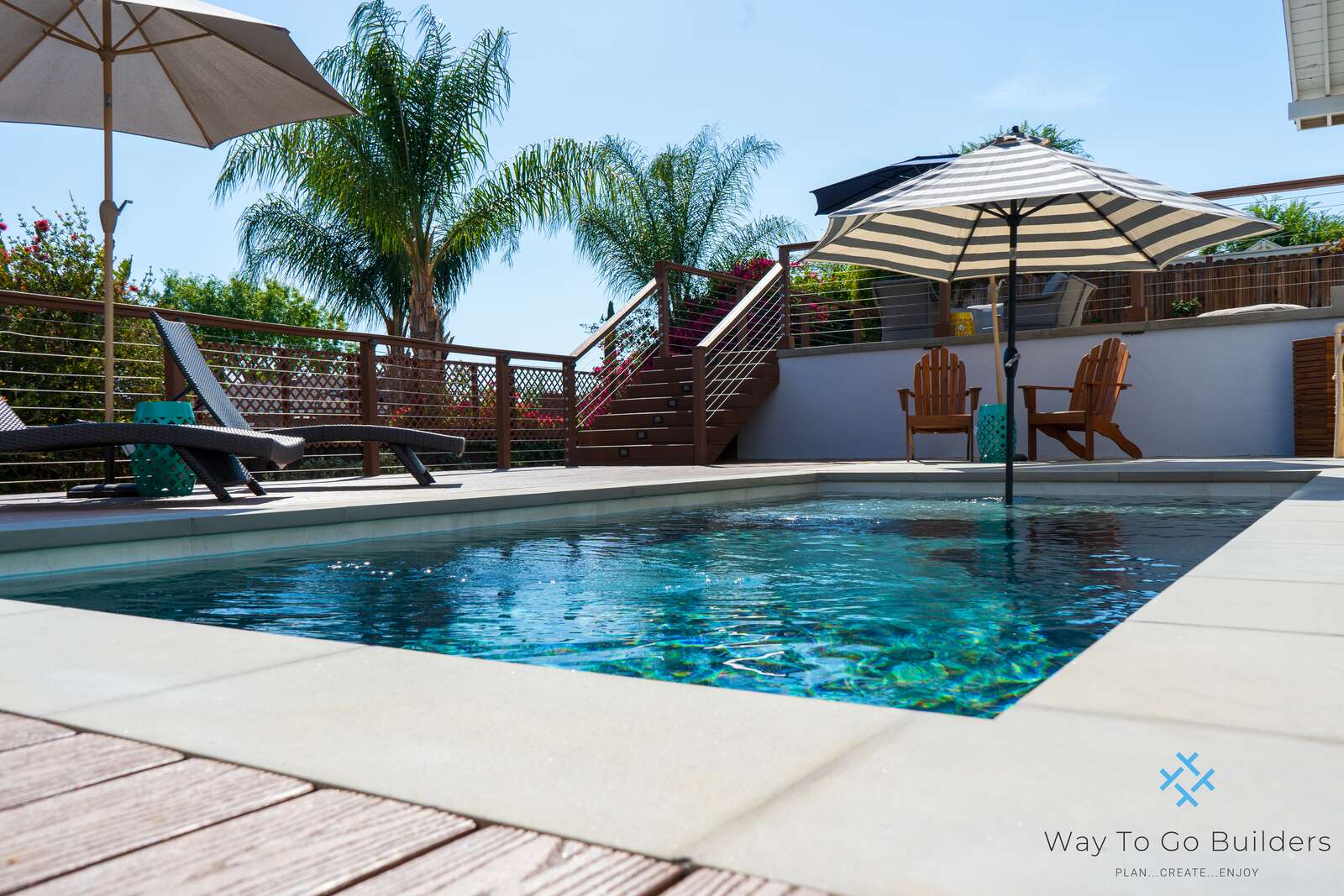
Why Reflective Pools Are Trending
Reflective pool design is fast becoming a top trend in which homeowners and architects alike strive to create breathtaking outdoor areas. Unlike traditional pools, which focus on function, swimming, and fun, a reflective pool is all about beauty, symmetry, and the play of light. Shallow, mirrorlike water features, reflective pools are neither deep nor constructed for swimming but rather serve to enhance the aesthetic feel and look of gardens, courtyards, and modern landscapes. People are drawn to reflective pools for their sense of calm, elegance, and artistic expression.
A reflecting pool can make even the most modest of backyards seem luxurious. The still surface acts like a mirror, doubling up views of trees, buildings, and the sky. This feels more spacious and even a little magical, offering restful surroundings that seem airy. Because of this effect, reflective pools are becoming a popular request among Los Angeles area homeowners seeking luxury outdoor design.
What constitutes a “reflective” pool?
The reflecting pool is shallow, designed to provide perfect light reflections. The main purpose of the pool is not recreation or swimming but rather to emphasize architecture and features in its landscape space. The water inside is almost still; there is only a little movement. This stillness allows the pool to act like a mirror, capturing the scenery around and the changing sky.
To create this effect, a reflective pool is typically from 6 to 18 inches deep. The shallowness of the pool allows the water to be still, making the reflections clearer. Edges should be clean and flat without featuring any rough stones or distractions. The aim is to achieve a surface as smooth as glass. This water design minimalism is what actually makes reflective pools different from other architectural water features.
Design Principles: Stillness, Depth, Edges
The artistry of reflective pool design lies in three critical elements: stillness, depth, and edge treatment.
Stillness: The water should be as still as possible. To prevent ripples, designers use submerged pumps and special water inlets that don’t disturb the surface. Sometimes, walls or plants protect the pool from the wind. This keeps the reflection clear and undisturbed.
Shallow pools are easier to keep still. Most reflective pools are less than 18 inches deep. The shallow depth also provides added safety and reduces maintenance.
Edges: The pool’s edges are usually straight and level. Overflow edges or infinity edges can be used to make the water surface reach the very rim, making the pool look even more like a mirror. Some luxury pool design Los Angeles projects use stone, concrete, or metal for a crisp, modern look.
Positioning for Sunlight & Architecture Mirroring
Where you place a reflective pool is just as important as how it is built. The pool should be positioned to catch sunlight at different times of day. Early morning and late afternoon are often best for dramatic reflections, as the light is softer and shadows are longer. The pool can be aligned to reflect a home’s striking architecture, a row of trees, or a beautiful sculpture.
Designers think carefully about what the pool should reflect. For example, placing the pool across from a modern glass wall or a classic columned patio creates powerful visual harmony. The idea is to double the impact of the surrounding features through their mirrored image.
Materials & Finishes That Intensify Reflection
The choice of material is essential in the design considerations of a reflective pool, whose purpose is always to maximize the mirror effect of the pool. Dark, smooth surfaces work best since they absorb light, thereby making reflections bolder.
Common materials include:
- Black or dark blue tiles have the effect of deepening the color of the water and making its surface appear even smoother.
- Polished concrete: Provides a sleek, modern finish to increase light reflectivity in pool design.
- Dark natural stone adds a sense of opulence and is virtually interchangeable with many styles of architecture.
The finish must be non-porous and easy to clean. This helps to keep the water clear and the reflections sharp. Avoid rough, light-colored materials that scatter light and break up the mirror effect.
Integrating with Landscaping and Modern Exteriors
Reflective pools work in classic and modern landscape pools. Their simple, geometric shapes match minimalist gardens, while their elegant surfaces fit in with luxury homes. When designing the space around a reflective pool, less is often more. Clean lines, sparse planting, and a focus on symmetry help highlight the artistic qualities of the pool.
Some ways to integrate reflective pools with landscaping and modern exteriors include:
- Use straight pathways or stepping stones that line up with the edges of the pool.
- Plant symmetrical rows of trees or shrubs to frame the pool and add to outdoor symmetry and balance.
- Place sculptures, fountains, or architectural features near the pool to create dramatic visual displays.
- Choose plants that are attractive reflected in water, such as tall grasses, bamboo, or flowering perennials.
This approach supports the principle of aesthetic pool concepts, whereby the pool is part of the design rather than an afterthought.
When to Employ Experts
The building process of a reflective pool requires skill and experience. It is for reasons of precision in leveling, finish, and placement that most homeowners consult a swimming pool contractor in Los Angeles who has expertise in reflective water design. These professionals understand how to create a perfectly flat surface, how to install hidden water features, and select appropriate materials for strong, clear reflections.
A good contractor will also know how to work with architects and landscape designers to ensure the pool fits in perfectly with the rest of the property. They would advise on lighting, water treatment systems, and long-term maintenance. If you want a reflective pool that really complements your home’s architecture and landscape, the best choice is to work with an expert.
Conclusion
Reflective pool design brings a sense of peace, beauty, and luxury to any outdoor space. These pools are more than just water features; they are works of art that enhance architecture, create symmetry, and play with natural light. Designers achieve mirror-like surfaces that transform gardens and courtyards by focusing on stillness, shallow depth, and the right materials. Whether used in modern landscape pools or classic settings, reflective pools remain timeless for anyone seeking visual harmony and elegant simplicity in their outdoor space.

